The Inner Workshop: Remodeling Your Basement – Facing What’s Been Buried
February 8, 2026
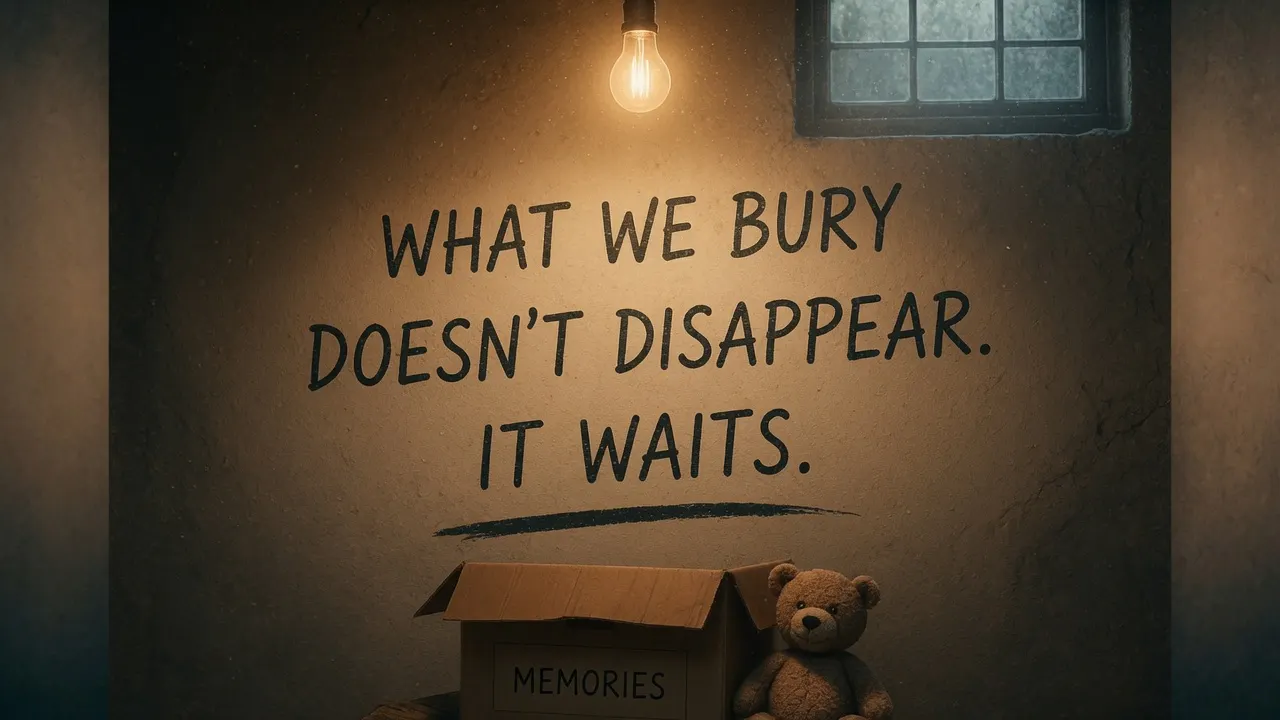
Welcome back to The Workshop. We’ve opened the Entryway and now we go deeper: down the stairs, into the Basement.
In The Inner Remodel, the Basement is the emotional storage unit most people avoid. It’s dark, damp, and full of things we’ve shoved out of sight: shame, guilt, old betrayals, childhood hurts, the fear that “if they really knew me, they’d leave.” We padlock the door, tell ourselves “it’s fine up here in the light,” and wonder why we still feel heavy, anxious, or numb.
The truth is simple and uncomfortable: You can’t fully inhabit your house if the Basement is off-limits. Ignoring it doesn’t make it disappear — it just leaks. That leak shows up as chronic self-doubt, people-pleasing, overworking, or snapping at the people you love most.
So let’s roll up our sleeves. No judgment, no rush — just honest tools to start remodeling the Basement safely.
Step 1: Open the Door (Even Just a Crack)
The Basement feels dangerous because we’ve labeled everything down there “bad” or “wrong.” The first shift is realizing: these are not enemies — they’re just emotions and memories that never got processed.
Tool: The Basement Key Question Sit quietly for 2–3 minutes (no phone, no distractions). Ask yourself once, slowly: “What am I most afraid to feel if I go down there?”
Don’t force an answer. Just let the question sit. Whatever comes up — even if it’s “I don’t know” — is the first clue. Write it down. That’s your key turning in the lock.
Ah-ha moment: The moment you name the fear (even silently), your nervous system registers: “Someone is paying attention. It’s not completely abandoned.” That alone begins to reduce the threat level.
Step 2: Shine a Light – Inventory Without Judgment
You don’t have to clean the whole Basement in one day. Start by turning on the light and looking around.
Tool: The Basement Inventory (10-minute version) Grab a notebook or voice memo. Set a timer for 10 minutes. Walk through the Basement mentally and list whatever you find — no editing, no shaming. Use these prompts:
- What old hurt or memory is stored in boxes down here?
- What guilt clump is taking up space?
- What “I’m not enough” belief is rusting in the corner?
- What fear sediment has settled at the bottom?
When the timer ends, stop. Close the notebook. Breathe. You just did something brave: you looked without running.
Ah-ha moment: Most people discover the Basement isn’t a monster pit — it’s a storage room full of things that once protected you. They’re not “bad”; they’re outdated survival tools that no longer fit the adult you.
Step 3: Start Clearing – One Item at a Time
Clearing doesn’t mean erasing. It means deciding: Does this still serve me, or can I let it go?
Tool: The Three-Question Filter Pick one item from your inventory. Ask:
- What purpose did this serve when I put it here? (Usually protection or survival.)
- Does it still serve me today? (Be honest — most old guilt/fear no longer keeps you safe; it keeps you small.)
- What would happen if I released even a small piece of it?
If the answer to #3 is “I’d feel lighter,” try this micro-release: Write the item on a piece of paper. Read it out loud once. Say: “Thank you for trying to protect me. I don’t need this anymore.” Tear or burn the paper safely.
Do one item per day or week — no rush. The Basement didn’t fill overnight; it won’t empty that way either.
Ah-ha moment: When you thank (instead of shame) the old emotion or belief, your brain stops seeing it as a threat. The nervous system relaxes. The room gets a little brighter.
Step 4: Light It Up – Make the Basement Safe to Visit
A remodeled Basement isn’t empty — it’s usable storage. You can go down there without panic because you know the light switch works.
Tool: The Lantern Practice Every evening, spend 60 seconds at the top of the Basement stairs (in your mind). Hold a lantern of awareness. Ask: “What came up today that belongs down here?” If something surfaces, name it gently: “This is old guilt.” “This is fear of not being enough.” Then say: “I see you. You’re allowed to be here, but you don’t get to run the house.”
Over time, the Basement becomes just another room — not a forbidden zone.
Ah-ha moment: Tending to fear instead of fighting it or obeying it changes everything. The Critic becomes a worried child who can finally sit down. The Study is no longer a courtroom — it’s a quiet room where wisdom speaks louder than fear.
Final Thought
Remodeling the Basement is the hardest part of the inner house because it’s the most vulnerable. But it’s also the most liberating. Once you stop avoiding it, you stop leaking energy. You stop pretending. You start breathing deeper, loving more freely, and living like someone who actually owns the whole house.
Next time in The Workshop: the Living Room — where real connection happens.
Until then: What’s one small thing you found in your Basement today? Drop it in the comments (or just whisper it to yourself). You’re not alone down there.
For the full blueprint, grab The Inner Remodel at innerremodel.com. Kindle available now; print drops Jan 30th.
Let’s keep remodeling — one honest step at a time.